



68
Sovereignty, Scale, and the Infrastructure Behind the Bet
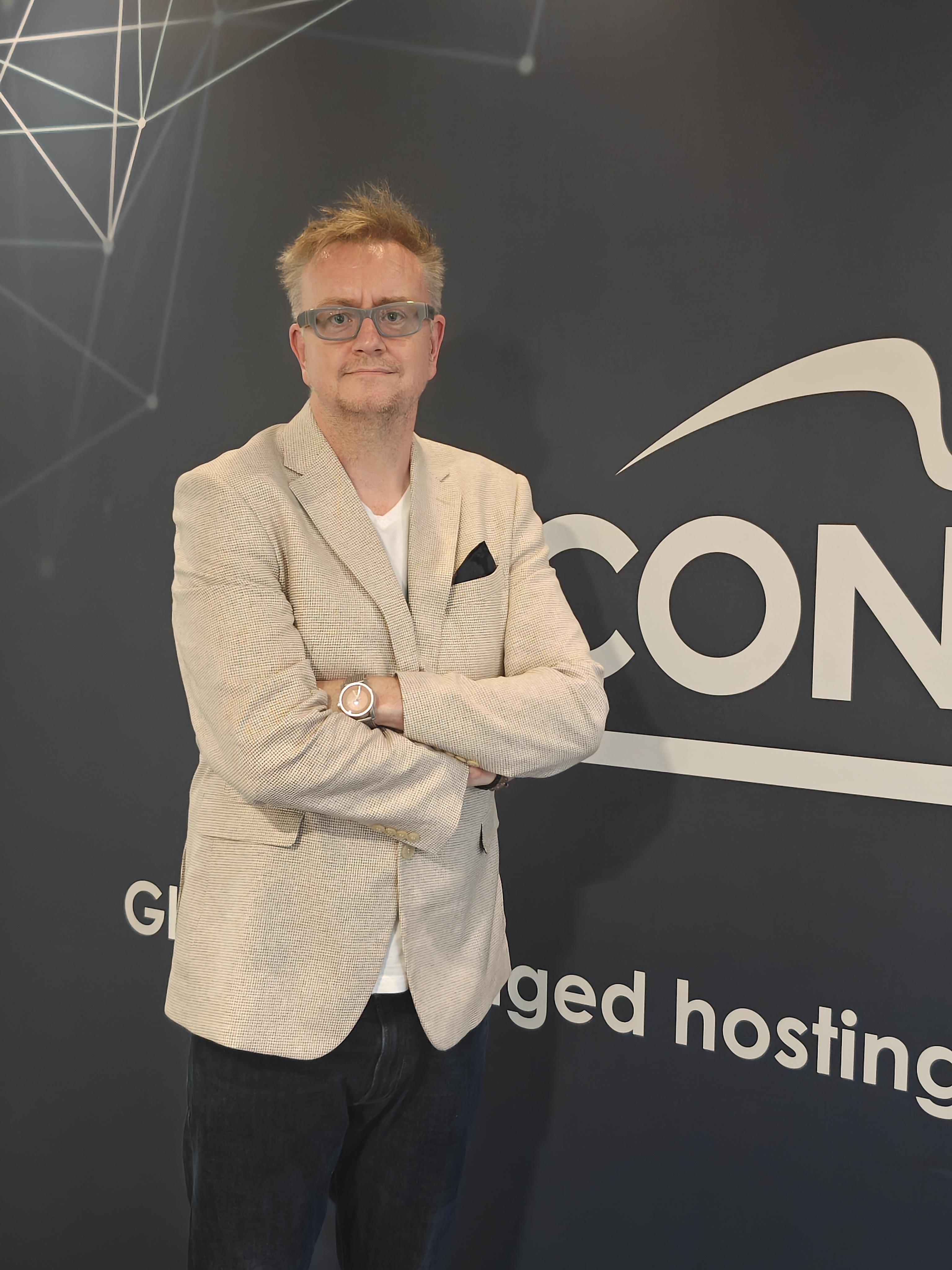
Justin Cosnett
Chief Product Officer, Continent 8



In iGaming, there's no room for error: transactions are bank-level regulated, traffic spikes are massive and unpredictable, and a minute of downtime means a customer lost to a competitor for good. It's one of the most demanding environments in app architecture and this episode goes inside it.
Host David Joy sits down with Justin Cosnett, Chief Product Officer at Continent 8 Technologies.Justin has spent 14 years at Continent 8. He came up through technical operations, joined as the company's first pre-sales solution architect, and grew with it as iGaming became its core vertical. You can say when it comes to the online gaming industry, he’s seen it all and he and David walk through his journey together.
The two begin by unpacking what makes iGaming so unique, from bank-level regulation to the Wire Act rules that keep transactions within state lines, and what it took to stand up infrastructure as new US states opened at a pace of roughly one a month.
Justin breaks down why operators who over-provisioned during the gold rush are now chasing efficiency, why legacy databases have become "crown jewels" that are hard to hand over, and how Continent 8 and Cockroach Labs come together to deliver sovereignty and scale for joint customers. We also get into what's next, including AI agents that scan odds across providers in an instant and the coming battles between agents on the security front. Then we close with a round of Let's Make a Few Bets.
00:00:03.440 — 00:00:07.960 · Speaker 1
All right. Justin, how are you doing today? Welcome to the Big Ideas in App Architecture podcast.
00:00:08.000 — 00:00:11.720 · Speaker 2
Thank you. Very pleased to be here. Doing very well. Thank you.
00:00:11.960 — 00:00:32.400 · Speaker 1
Awesome. Uh, just for the listeners, before we started talking, Justin and I were talking about where Justin's from, and I don't know how many of you are like an Isle of Man Game fan. Uh, like, he he's he's currently over there. And I was just talking to him about how cool it is that, uh, there's so much history, uh, in where he is living right now.
So how long ago did you move there, by the way? Like just recently.
00:00:32.400 — 00:00:47.120 · Speaker 2
Oh, literally. Uh, three months moved, moved here. And, uh, only two days ago actually managed to complete the house purchase. So. Yeah, the whole family's coming over from the UK. Yeah. That's it's it's very good. I mean, coming here for 14 years, though, so I like to think I know it well, but yeah a bit, a bit.
00:00:47.120 — 00:00:50.280 · Speaker 1
Obviously at this point you're like uh you're like a veteran there. Yeah.
00:00:50.560 — 00:00:57.760 · Speaker 2
Yes. I don't think you ever become a local. I think I'll be known as a come over. Um, but yeah. No, absolutely. It's really, really enjoying it.
00:00:57.960 — 00:01:24.560 · Speaker 1
That's awesome. Yeah. Well, thank you so much for taking the time to come on and talk to us. Um, you know, for our listeners, Justin here is the chief product officer at continent eight. And, Justin, you've got a stellar career. I mean, I was just looking up your LinkedIn and some of the cool things that you've done.
Um, you know, before I butcher your intro, I think the best thing would be, uh, telling the people how you got into doing what you're doing today.
00:01:24.720 — 00:02:22.990 · Speaker 2
Yeah. I mean, it's, uh, I've been at continent A for 14 years, which is probably eight years longer than I ever imagined. It's quite a long time in nowadays, certainly, but, um, my history prior to that was always technical, uh, you know, working the operational backgrounds, being a techie effectively.
Um, I always say I can't do sales because I can't remember names and faces. Otherwise that would have been a different direction. But, um, I always loved the kind of customer engagement pre-sales aspect of it. So I joined continent eight as their first, uh, solution architects, their first pre-sales solution architect.
Um, as we look to kind of, you know, sell more managed services, do more than data center, network, etc.. Um, and it's been a fun journey. Um, prior to prior to content A, I've never had anything to do with online, you know, gaming, online gambling. Um, and now, obviously, it's one of our key verticals. Um, and, you know, my career has progressed, thankfully, quite well here.
And, uh, yeah, I join you now.
00:02:23.590 — 00:03:27.390 · Speaker 1
That's awesome. It's really cool when you meet people who have been like, who have done like hardcore engineering, done solutions work, and then they're able to, like, get to a point where they've seen the industry from all the way ground up. And you have like this chief product officer's view of where the industry is going and what you can now do, potentially.
Right. Like, I mean, when we were talking to everyone, like figuring out what we'll be talking with content and data about. And by the way, guys coordinate and Cockroach Labs are actually partners. We work together. Um, you know, we have a lot of things that we bring to the table that content take takes advantage of.
We have joined customers who are looking to, like, explore places where they can use, caucus and coordinate together. But before, you know, I had no idea there was like the space for iGaming. Like there was a in focused infrastructure company doing something and rethinking this iGaming business, right?
So for the listeners, like how what is the best way to like think about iGaming that you can help them understand? Uh, I'm sure we all know about it, but we don't know how it's defined or quantified.
00:03:27.510 — 00:04:54.950 · Speaker 2
Yeah. So I mean, in in Europe it tends to be known as iGaming as a collective for anything online that involves betting effectively, whether that's casino type games or whether it's online sports betting. Uh, in the US, with the US market opening up in the last 6 or 7 years, the term online sports betting is more well known.
But, um, obviously for, you know, there's some massive brands that lots of people have heard of in the, in the US, it be FanDuel, DraftKings, those kind of guys. And in Europe it would be the likes of Paddy Power and bet365. Um, um, but yeah, effectively it's a it's a somewhat unique vertical. It's, it's it's a regulated almost as strongly as the banks, obviously because of the financial transactions, because of the, you know, card payments required.
Uh, it's high volume. So huge amounts of transactions a minute, you know, in, in the UK and Europe, they've always had kind of in-play betting. So you can have these huge spikes in volume and everything else. Um, but the regulation has often required some kind of sovereign link. Some kind of data or transaction has to happen in a certain jurisdiction.
Um, obviously very true in the US. So it's kind of a unique one. Uh, um, and it's we're kind of unique in having such a high focus on one vertical. You know, you might see that as a risk in other businesses that you like to be spread across 2 or 3. Um, luckily, it's worked well for us. We've remained focused in that space.
We do do other industries, but I'd say 80 to 90% of our customer base. Is that iGaming? Uh, space.
00:04:54.950 — 00:06:18.820 · Speaker 1
For the listeners. You know, like one of the things that Justin mentioned is this idea that it has to be a regulated market, and it is based on jurisdiction. My own exposure, Justin, was, you know, we work with some of our customers who are also betting and gaming leaders in the space. Right. I had no idea there was this protocol in America called the Viaduct Protocol.
That meant that any transaction related to gaming has to be within that particular state and cannot leave. Right. So cockroach would come in and solve this problem beautifully, because we could have a global cluster and we could run anywhere. Even we used to have cloud providers like AWS used to have a data centers and things like that, but it was not available in every region.
So they had this, uh, product that they can bring that you're aware of, that they would cockroach would run on and would be part of the cluster itself. Right? So it was it was beautiful in the way cockroach kind of did that. So that's my learning of what the betting and gaming space was in terms of what the product could offer and what this whole space was.
But what is interesting in this space is that it's very important for companies like yours and ours to exist, because you just don't want to do the transaction. You want to make sure that infrastructure is always available, and it's making sure it's doing everything. So I want to learn from your lens as a product leader as to, you know, how as an operator, if you think about the space of infrastructure for, you know, these this kind of use case.
00:06:19.180 — 00:08:43.820 · Speaker 2
Yeah, sure. I mean, the, you know, online sports betting, for example, is as I kind of said earlier, it's very, very akin to financial transaction betting, high volume, uh, sporting events, the World Cup, uh, March Madness, Super Bowl, NFL games, Mondays, etcetera. Um, our huge peak activity. And gone are the days of, say, 20 or 30 years ago where customers would run, you know, 100 racks worth of infrastructure ready for that?
Two spikes a year of of of sports betting, but running at 10 to 20%. So obviously everyone sees the need for a for elasticity and cloud. Um, and how that can have a massive advantage. Um, but the challenge is, is also meeting those regulatory requirements. The wire act, you're absolutely right is, you know, imposes some restrictions.
It does give states the freedom to run their own regulatory environment. And it obviously helps them in terms of tax. They can tax at their own level and have that level of autonomy. Um, but it does mean a challenge sometimes for someone that, you know, you can't just develop something natively in AWS. Running out of US East one or US East two, and it covers everywhere.
So, um, the kind of where we come from in a, you know, in that niche is that we've always operated in jurisdictions that had that sovereign requirement. So whether we've built or, um, taken, uh, infrastructure, uh, data center space. And then I suppose our uniqueness is building a network that connects all of them privately and making sure that the, the, the, the experience, whether it's a B2B or a B2C, because there's obviously a large B to B kind of um, economy in that, in that space for the casino games, etc..
Um, but they both have good, uh, reach and good peering capability to the consumer. So you've got to kind of mix the three areas. Obviously everyone's using a CDN and hyperscale cloud. They also have to have infrastructure that meets the regulatory requirements. Um, and they want to have that scalability and elasticity.
So it's kind of, you know, um, like you said, you know, there's from a partnership perspective with cockroach, we can provide that kind of underlying infrastructure that requires the sovereignty and we can provide, you know, Elastic Cloud to a degree, uh, even for customers to consume. Um, and then, you know, with cockroach, we can have that kind of, um, uh, database across multiple, uh, states.
Uh, you know, the upside of the cockroach advantages that obviously you can speak to even better than I can.
00:08:43.940 — 00:09:09.540 · Speaker 1
Yeah, yeah. No fair point. I mean, it's interesting because when you look at what you were trying to say, I was just trying to digest it for the users is that they can choose to run on quantitative data centers, right? Like and they don't even have to worry about anything else with respect to the, the, the requirements, the regulations required, because you're already like certified, you've been doing this for this.
They can just come and plug and start using. Right. That's how it goes.
00:09:09.580 — 00:09:31.220 · Speaker 2
Yeah. I mean it was it was a fun or eventful kind of spurt for us in the US market opening up. We had like, uh, at one point, I think we had a state a month opening. And obviously, uh, that was unique. It happened through Covid as well. So that was a particular challenge then. Then there were supply side issues when it came to infrastructure and compute, which we're now experiencing different.
00:09:31.220 — 00:09:32.060 · Speaker 1
In a different way.
00:09:32.100 — 00:10:44.170 · Speaker 2
Yes, exactly. Um, but what we were having to do was effectively open up a brand new state offering, uh, before the market opened, you know, aligned to that kind of first live date. And even some operators were were making sure that they did kind of sign up of users and registration prior to the market opening so that they didn't have to do all that, you know, on the day before they took their first bet.
So that was a kind of massive kind of growth spurt for us. We're opening, you know, all the regulated states. You're right. We had to get approved. So in many states we have to get certified and approved, very similar to an operator or a platform provider or a content provider. Um, and yeah, I mean, you know, one stop shop is never the best business for business advantage.
But customers know with us that we've already done that, that piece, that we're already there, we're already regulated, we're already know the requirements. And we have the benefit of supporting multiple customers in a, in a single kind of jurisdiction. So we we know the pressures they face. We know the best way that they can potentially do things.
Even if all of these guys operate in the same kind of market, they do have completely different architectures and completely different histories. Some were born in the cloud, some have been running for 2530 years.
00:10:44.250 — 00:11:11.370 · Speaker 1
Awesome. And you know, when you look at the business, I mean obviously 14 years at continent eight, you've seen a lot of things. What? I mean, you mentioned Covid and this whole the market's been evolving. Demand is there. What has changed on the infrastructure side. Is it the same word where you go purchase the same kind of hardware.
Obviously the challenge in supply. But what's changed on the compute side of setting up this business in new states?
00:11:11.490 — 00:12:35.050 · Speaker 2
Well, the I suppose the the the the first change I saw was the obviously the splitting of front end and back end and making use of that cloud elasticity and CDN. So you know, that it really suited the sportsbook guys. Right. Um, uh, and we've seen some of that move for the, you know, the kind of casino part of our gaming as well, even though that's less personable, it doesn't tend to have the kind of high levels of, um, irregular volume, but it can have kind of promo related, uh, exceptions.
So the cloud, you know, obviously, uh, affected the industry, uh, in a good way and affected us in in to some degree, in a good way. We obviously brought regulated clouds, so we got clouds and effectively had to kind of work with regulators who were used to having dedicated single tenant infrastructure.
You know, that is that operators server and that's where the database is and no one else can touch it. And kind of, you know, bring in the shared infrastructure model, the cloud model, the multi-tenant model. Um, that's worked very well. Um, and we've got kind of, you know, international, as you would say, uh, platform providers that now have to run multiple databases in multiple environments.
Um, and, you know, uh, all meet the same regulations. But they want to they want to kind of minimize their costs and have the maximum amount of efficiency they can in managing that. I'd say that's that's been one of the the biggest changes in the last kind of 10 to 15 years.
00:12:35.130 — 00:13:00.090 · Speaker 1
Got it. Yeah. And so your operators, when they operate on these events, this obviously what you're mentioning is the hockey stick pattern. Right. Like there's a Super Bowl game happening or like some some event. I'm sure these patterns and these elastic structures have been built into the product. Right?
Like, uh, um, how much do you have to plan for these events or how much you're, like, ready for it?
00:13:00.290 — 00:14:09.400 · Speaker 2
Yeah. I mean, I don't think, uh, you know, obviously all the operators have their own way and their own architectures, but from a CAA perspective, you know, we we have, I suppose, uniquely, we have specific change windows that are banned when we know there are national or international events. So, you know, we we specifically for the World Cup, for example, you know, have a kind of change freeze effectively for um, cloud colo network changes, etc..
We have to operate with incredibly high resilience. Uh, um, we have to have n plus one everywhere, not just at a data center level, but from a cloud cluster perspective and so on. Um, and yeah, we we also make sure that our support is available and on high alert for those things. So that's something that, you know, perhaps other areas of the world aren't doing around those sporting events.
It's kind of unique to us or suppliers in this space. Um, but we're kind of well used to it now, you know, probably got quite a few World Cups, quite a few NFL's under our belt. Um, but we're still, you know, there's still the the leadership team. Team is still, you know, sleeping lightly, should we say, over those weekends?
Um, as you have to. Because because everyone fears it. It happens to the best of us. Everyone has to go through those kind of challenges at some point in time.
00:14:09.480 — 00:14:59.000 · Speaker 1
Got it. Yeah. So I mean, this is this is a great segue to the question I wanted to ask was like, why now kind of thing? Because this is like a moment kind of thing happening with, you know, what's happening with, uh, you know, aging tech world. Like, obviously, we said differently, both of us agree. The reason why we are saying differently is because there's there's no maybe the Ram is not available or the compute servers are not available.
There are a lot of things going on, um, for you as an operator. Right. Um, you know, you you've initially had to talk about data regularity and talk to states and things like that. How has it changed today in terms of what you think, in terms of growing the product through the future, are you like planning capacity, like has capacity planning changed for you or like just planning how we structure the infrastructure in a way where we can optimize it has changed how how to maximize, say, the CPU and things like that.
00:14:59.040 — 00:17:28.550 · Speaker 2
So yeah, it's kind of all change, but but different change I suppose. So if you look at, you know, we'll use the US example. There haven't been many new states opening up. But um, as you mentioned, there is significant challenge from outside. And also there was that, you know, that rush to, to to get in at first and a lot of, a lot of the kind of operators in those brands will have potentially done so at great cost, um, and possibly over specifications specified because they didn't know how, you know, some of these guys, it was the first time into the market, they wouldn't know how well the products were going to perform.
You know, a product that's good for soccer isn't necessarily identical when it comes to Super Bowl or baseball or March Madness. So, um, quite a lot of them will have potentially over provisioned and done so knowingly done. So knowing that we'll sort that out later. Well now is that later point. So even the guys that have kind of developed products in the last 3 to 4 years or were cloud native, they're look seeking extra efficiency.
They're looking to have, you know, better ways of doing things. And then you've got the legacy guys that are, you know, have extremely, brilliantly, functionally capable, uh, kind of products and services. But, you know, they've got a legacy that they carry behind them of 24 years, 25 years worth of development, 24, 25 years worth of legacy database in this example.
And, you know, they're looking at how can they how can they optimize that or how can they do it more efficiently, or make the use of the next generation of technology or a different way of doing things? Um, for us that means there's a there's a space from a managed service provider perspective. You know, our customers, no matter whether they're the the kind of B2B or the B2C, you know, the B2C are effectively marketing companies from a consumer perspective and software developers from a client engagement perspective.
Managing infrastructure. A database, whether that's compute virtualization containers is something they have to do but doesn't necessarily derive any value in and of itself. You know, it's just supporting that software development and that marketing. The same is true from B2B. So for us, we're looking to grow into that, to basically say to customers, let us manage the infrastructure that you, you, you run that we let us manage the database engine that you run.
Let us manage the database potentially, if it's if that's suitable or the right way. Um, and, you know, bring that economy of scale. That means that customers can focus their energies, their their investment into the software development and the and the marketing that they need to do.
00:17:28.790 — 00:17:42.550 · Speaker 1
Got it. Yeah. I was curious, when you talk to the operators and you communicate this idea that, listen, do you not worry about it? We'll manage it. What are the most radical things people tell you like in terms of, uh, asks, uh, to an operator like yours. Yeah.
00:17:42.830 — 00:19:15.910 · Speaker 2
I suppose, um, I would say radical. Actually, I think if I put myself in their shoes, uh, you know, the, the database that some of the especially the longest legacy customers, it's their crown jewels, right? These guys are developed, um, you know, a lot of code sits in these databases. Not just not just a database.
That's nice and simple. It's not like a, I don't know, a CRM database that's the same across multiple industries. You know, um, some of these guys, you know, for example, I can say that there are, you know, there are probably 16 different database engines in use by a couple of operators, and no one operator chooses the same or has historically done so.
Um, so there's a lot of disparity, um, and that that kind of feedback from customers is obviously this is my crown jewels. I really need to trust you before I let you. You manage this? Um, a lot of them have been managing it themselves for a very long time, and you obviously need to build trust. We like to think we've now built that trust.
Over the long amount of years we've been, you know, providing these services. And obviously a case study helps. Okay. So, you know, when we talk to a customer who might be running on a virtualized platform with VMware and they're facing licensing cost pressure, the fact that we can provide, you know, examples of not just us, but us migrating our customers onto a different platform gives them that level of, you know, uh, assurance that we can do that migration for them.
And actually, why not just manage it afterwards? Why do they need to manage the hypervisor? Why not let that be something that is taken as a service? And obviously that applies even more keenly to databases.
00:19:16.070 — 00:19:35.190 · Speaker 1
Got it. Yeah. So in your technology stack. Right. Obviously when you talk to them, they might be customers or like operators like drafting and all will come and say, we need this, we need that. How do you present your technology stack to them? Um, in terms of, hey, we have VMware here, we have Cockroach Labs.
How do you communicate the value separately here?
00:19:35.230 — 00:20:45.820 · Speaker 2
Yeah, I think when it comes to the kind of virtualization, we don't necessarily worry too much about the vendor. We try to be as vendor agnostic as possible. The unique differentiator, I suppose, is that with is for example, with cockroach. With cockroach, we've seen something that meets multiple customers demands and therefore is a scenario worth potentially expanding.
Um, so we tend to focus on the problem as any managed service provider will do, which is is your is your problem. Cost is your problem. Uh, project is it, uh, you know, your X numbers of versions behind your legacy stack is a problem. Do you need help with migration? Do you need help with upgrade? Um, so we tend to start with the problem.
And the problem is different. As I said, you've got customers that have only been in the space for 5 or 10 years. You've got customers have been in the space for 25. They've got very different, um, kind of starting points or challenges. So that's kind of where we focus when it comes to positioning. You know, we're new you know we're we're we're new to this to this partnership with cockroach.
But we're not new to managing infrastructure, and we can see the advantage of being able to say to customers, let us take that database engine problem you have away, or let's take that legacy database problem you have away in partnership with cockroach.
00:20:45.940 — 00:21:03.340 · Speaker 1
Yeah. And, you know, it's interesting, like this whole market, as you were saying, is evolving so much. So where do you think this is going right now? Like do you anticipate like your business is going to change or do you think it's still going to stay the same? But we just have to make our business much more robust and things like that.
00:21:03.540 — 00:22:51.220 · Speaker 2
Uh, it's definitely going to change. And, you know, uh, no one, no one can say anything without mentioning AI. AI is a significant changer. You know, it's yeah, I know it's changing the cockroaches approach, and I know it's changing its approach now. Our approach has been to utilize AI to do what we do more efficiently and better, and then potentially bring those efficiencies to customers.
Okay. So we're not going to we're not going to develop a cloud or our own API. We're not going to develop, um, go in and try to tell customers how to do the AI that they're doing. But what we're saying is we are using a genetic to manage our network, to manage our cloud, to do migrations. So, you know, you have the benefit of our previous understanding and our previous experience.
So we will lend those capabilities from an AI perspective into your scenario. Um, you know, and that's probably going to be the biggest change because customers, you know, right now they want to use AI, they want to feel the benefits. They can apply AI for KYC and fraud and AML and all sorts of I mean, there's incredible I mean, some of the content houses, you know, are now able to create games, you know, seven a day rather than seven every 12 months.
Uh, you know, it's incredible. However, the regulatory area is still not necessarily clear, you know, and it's it's hard for regulators. How do you keep up with something that's so dynamic and so fluid and so fast? Um, so we try to, you know, bring to AI what we've brought to infrastructure. We know this will work.
We know this will pass. There you go. And I think that's going to be the biggest change in the next kind of 2 to 3 years is, is how how how different operators utilize AI, how they improve their business process and how they do it and maintain regulatory approval and certifications and everything else, and don't make any mistakes effectively.
00:22:51.260 — 00:23:35.980 · Speaker 1
Yeah. I mean, it's a great segue to the question. I want like, it's like you can't make any mistakes. Like you can't get things wrong. Uh, right. Like, uh, because I mean, as a human, there is a way to like, catch things. There is a speed at which you operate. Like, I was talking to somebody, uh, or last week I posted, like, I don't think we are at a point where AI is way faster than us.
There's no way we can cognitively digest everything that it's producing all the time and then be able to make decisions. So you need AI to catch AI. Like that's kind of the direction that I'm seeing. And but I do see a lot of value in agent systems and workflows and processes in, in, in your side of the business where you can like let's see how this business is going.
Are we scaling elastically? Are we operating correctly? You know, and you can't make any mistakes from that perspective.
00:23:36.020 — 00:24:18.380 · Speaker 2
Yeah, yeah. And I suppose the other changes are going to be new markets opening up. So I know this is a very that's a very gaming uh, specific. But um, we're seeing uh, you know, regulatory licensing happening in New Zealand and other APAC areas, uh, South Africa, for example, we're seeing significant expansion and hence we're expanding to there.
Um, but also Latin America has been, you know, opening up over the last couple of years. So we'll see those new markets open and regulate. Um, and generally the need is taxation. And when, you know, you need some money as a, as a politician, the ability to regulate and collect taxes from online gambling always comes up.
And those represent new new markets for for our customers.
00:24:18.500 — 00:24:36.650 · Speaker 1
So you just mentioned, uh, you know, new markets opening and that changing how you will operate as a company and things like that. What is the hardest part of your business at this point, with respect to all that is happening. Is it procurement? Is it procuring customers or is it distribution? Ooh.
00:24:36.970 — 00:24:38.250 · Speaker 3
That's a good question.
00:24:38.610 — 00:26:06.650 · Speaker 2
Um, it depends upon which area I after. I am lucky and I see different areas of business. I think if you asked one area of the business, our planning function, they'd say it's everyone wanting to do everything all at once. So, you know, in a good way, you know, we're seeing customers, um, faced with the same challenges, if they were going direct for infrastructure, uh, coming to us for cloud, that means, you know, we're having to deploy new clouds in locations that previously weren't there.
And we're obviously having to scale up the ones we have. So, you know, we face the same procurement challenges as any other customer, um, or any other operator. Um, we obviously try to do the best we can with the partnerships we have. We also try to, you know, um, get in sufficient capacity to meet our growth expectations over the next couple of years.
So that's been challenging, but one that we've that we've kind of taken forward, I think, Um aside from from the that area, the the the other area would probably be the efficiency. You know, customers are looking for cost efficiency. So the biggest challenge we're seeing is customers asking us to help them with that.
You know, um, it doesn't just mean, you know, push us down on price. It means what can you do to kind of increase your value to us and reduce our internal costs? That's an opportunity. But it's but it's also a risk. You know, the, the the customers under pressure are looking to try and cut costs where they can now, uh, as a problem and therefore as an MSP, it's our job to come up with a solution.
But um, but that is definitely a challenging environment to work in.
00:26:06.930 — 00:26:25.290 · Speaker 1
Got it. Yeah, I was I was, uh, what do you like? I was going to ask because you were talking about procurement for iGaming. Is the infrastructure requirement different from, like, what, uh, cloud providers provide? Uh, or is it does it have to be specialized in any by any chance? Um, just curious.
00:26:25.290 — 00:26:29.769 · Speaker 2
Know this. There's relatively relatively agnostic if you you know, if you
00:26:30.890 — 00:27:40.480 · Speaker 2
customers that have chosen in the past to kind of, you know, build their own infrastructure in a rack, um, using no different compute to what we are. Um, so their procurement challenge is similar to ours. Obviously, we can be buy more at scale so we can pass on the efficiencies of those costs. Um, but I suppose some of the more legacy customers, uh, have other challenges when it comes to, to, to costs, you know, licensing costs.
For example, I mentioned VMware. Um, I don't think it's controversial to mention VMware. Everyone knows that that's been a challenge for everyone. But it's not just VMware. Everyone's looking to in an inflationary environment. Everyone's looking to push up and meet those inflationary pressures.
So we see customers facing significant licensing pressure from um, database providers, uh, and software license providers effectively. So, you know, our agnostic to some degree when it comes to some of those areas or our ability to partner with the likes of cockroach means we can. We can meet some of those challenges.
We have customers coming to us saying, you know, if we carry on expanding at this scale and into new markets, our licensing structure that we have to pay just isn't going to support that. And so we have to kind of find ways to do so.
00:27:40.640 — 00:28:47.040 · Speaker 1
Yeah, I mean, it's a fair point, you know, because this this part of the, you know, response that you gave is something that we as Cockroach Labs have been thinking about for a while. And it's about like when you look at the bedding and gaming space, we know that there is this jurisdiction, data sovereignty.
These things are important. We also understand that everybody needs scale and availability because you're talking actual transactions. You can't lose them. So for us as a company, it's one of our strongest use cases that we bring to the market. People who use cockroach love the product for what it provides.
But over the I would say like last couple of years talking to customers, we have understood that the same idea that everyone's trying to squeeze more out of whatever they can get off from, you know, the licenses they are getting or the products they're using. And that's why I like this whole new direction that we have taken as a company with cockroach continuum sort of is like our our a new direction where it's all about the cost economics of what we bring to the table.
Right. And I'm really, really excited about what cockroach is going to become in the future because, like, I don't know if you've heard Spence or Aaron from our team mentioned this, this, this whole idea of a genetic database cloud where we understand that
00:28:48.240 — 00:29:33.360 · Speaker 1
there is a possibility that a human is not making the bet. He probably has an agent who's analyzing a bunch of these things games in real time, and then probably placing some bets or changing things on the fly. The transaction pressure and the volume pressure on infrastructure is going to be massive if we go into that direction.
Now again, we have to figure out how the regulations work around that because, uh, but this whole idea that continent, date, and Risc-v can come together and solve this problem for our joint customer is really exciting. And that's why that's why I was when I got to know that I could talk to you. It was the exciting part about it, uh, was around that.
So. So how do you feel about these kind of changes that are happening in the industry that's going to put not just pressure on the infrastructure, but also at the application level?
00:29:33.440 — 00:31:53.230 · Speaker 2
Yeah, I mean, you're right, there's the the advantage of AI is that it's allowing our customers to become more efficient in certain areas, even though there's a question over, you know, what can they do from a regulatory space. But the the other problem is, uh, consumers can potentially use AI to place bets, uh, you know, not an area of my expertise, but our, our customers are going to have to protect against that.
They're going to need good defensive postures. They're going to need good ways of dealing with those agents. Um, from a security perspective, we have particular knowledge of that. You know, we provide managed security services, DDoS mitigation. We know the dangers of having an AI, uh, in the hands of a bad guys, as bad as, you know, is as powerful as as the ones that we use defensively.
So you're right, the ability to have huge volumes or volumes increasing, uh, either in, you know, uh, malicious traffic or even just non malicious, just customers, you know, you you're I'm not saying this exists, but you're right. The the ability for someone to check odds across 16 different providers in order to place the same bet means, you know, being able to do that instantly with one agent rather than, you know, a consumer browsing different websites, having different log ons.
Um, and so there's there's going to be a lot of strain. And, and ironically, that strain is happening at the same time. Well because of um, infrastructure costs going up. So you've got a, you know, a strain supply, a significant cost, and yet you still need to squeeze more out of what you've already got and potentially deal with even bigger strain coming up in the future.
Um, so everybody's a genetic position is going to need to be be pretty strong and pretty resilient. And, um, you know, it's good that that, you know, I think not just software vendors like yourself, but looking well, you know, we've we've done our agents are agents in order to help us do migrations or POCs or everything else.
So we'll release those within the product and that capability, but also managed service providers. We've used our own AI to enable contact center support capabilities to. You still need to maintain a human in the loop. Everyone knows that or a human in charge. Um, but the ability to kind of filter quickly and get to the root cause and rule out other, other, other options is something that we can then lend to our customers as a, as a service that suits their needs as well.
00:31:53.630 — 00:32:18.830 · Speaker 1
Yeah. And I think you mentioned this like the security piece is becoming so much more critical. Uh, because I mean, I mean, I mean, I don't know if your industry has gotten access to, you know, Claude mythos or something like the way in which these, uh, new models are working. I mean, there is a completely different way to, uh, do defensive versus offensive strategies to protect your infrastructure.
Right. Uh, which is also critical now. So, yeah.
00:32:18.990 — 00:33:46.070 · Speaker 2
Yeah. I mean, it's, it's a it's always been a kind of a target environment, should we say, you know, operators of our gaming are, you know, as you said, the reason they're so focused on resilience from us is that, um, every minute that their service is unavailable is not just, uh, an amount of money in bet volume that isn't being placed.
Um, but it's also potentially where they're losing to their competitors because, you know, if you've got a sporting event that's on right now, if you can't get to one site, you'll go to the other. I hear in the US, many people like to have 2 or 3 accounts at the same time. So that that that literally exists.
Um, and therefore if you have, uh, that kind of operating environment, um, you don't want to lose the customers trust. So you've got that high availability, uh, high financial risk. Um, it's obviously going to be prone to, to security attacks, you know, from bad actors. Um, so it's it's, um, it's the worst of, of, of all areas, but and, and a energetics, a genetic in the hand of the bad guys.
As I say, it is as powerful as it is in the good, so we're probably going to see battles between agents very soon if we aren't already. Uh, and you know, you mentioned, you know, the, the actual, you know, foundation or forefront engineering of AI is is having accidental breakouts and accidental attacks in the news.
It's it's it's not going to be long before we're seeing purposeful ones used.
00:33:46.390 — 00:34:34.149 · Speaker 1
Yeah. I mean the future is uh, uh, in my opinion both positive and uh, could be negative, you know, if not handled in the right way. Uh, this is great. I mean, you already started talking about the future. You know, our, uh, you know, marketing team has come up with a very creative way to close out this conversation, and they call it.
Let's make a few bets. And so what I'm going to ask you is I'm going to ask you a rapid fire questions. Uh, and, and then you have to, like, respond if it's a safe bet, if it's a risky bet and things like that. Okay. Um, and and let's see how it goes. And we can even digest into or delve into some of these. So. So thank you so much to our marketing team for doing that.
So the first question is, um, an operator say DraftKings or whoever is in the space, uh, picks one infrastructure partner to manage database and compliance footprint together instead of juggling two vendors.
00:34:34.470 — 00:35:06.070 · Speaker 2
Oh, well, I wouldn't be doing much of that in, say, safe bet because that's that's that's what I do. I think the, the days of, of like, you know, uh, trying to balance off two vendors when it comes to infrastructure and databases is possibly not there because because, as I said, we're we're offering hybrids.
We're offering the ability to obfuscate or no longer worry about the underlying hypervisor selection, the underlying, um, kind of server selection when it comes to containers. So I think that is that is a safe bet.
00:35:06.350 — 00:35:11.390 · Speaker 1
An operator launches a new state, uh, without doing a compliance first architecture review.
00:35:11.630 — 00:35:24.540 · Speaker 2
Risky bet. Uh, absolutely. Uh, yeah. I can't, uh, I don't think I need to it. That one's almost too easy for me. Sorry. Yeah, yeah, they need that. I I've been involved in those. They're not far.
00:35:25.180 — 00:35:39.380 · Speaker 1
Yeah. I mean, I we could say that and operate on my client in a new state, uh, without maybe with agents doing the compliance architectural review or something, thereby reducing the speed of regulation. You know something? Yeah.
00:35:40.100 — 00:36:14.860 · Speaker 2
Sometimes. Sometimes the operators are lucky. Uh, or I say lucky. Is that the. You know, especially when we have the kind of us opening a lot of new regulators, you know, obviously took inspiration. It's probably a nice way of saying it from the previous one. So the regulations didn't look too different, and it was a lot easier for them to understand that they were going to be compliant because they knew where the source of those regulations was.
Um, but once, once everyone's regulating and the gold rush is over, then regulators tend to tweak and, uh, you know, you can see it coming back later, but it's still a risky bet.
00:36:14.900 — 00:36:23.940 · Speaker 1
Fair point. All right. Next question. A sports booking company or provisions that infrastructure year round just in case a Super Bowl level spike happens.
00:36:24.060 — 00:36:54.460 · Speaker 2
Costly bet. Uh, yeah, it's probably risky based upon cost. Yeah. Like I said, that was that was the 20 year old approach. When when when people didn't have any choice and they wanted to, you know, so much revenue was dependent upon two events. You know, in the UK, I can think of two horse racing events that were examples of that each year.
The best were so high they had to have infrastructure year round just for that one thing. It's, it's it's a it's a risky bet to do it now because, you know with elastic scale you don't need to undertake that kind of cost.
00:36:54.500 — 00:36:58.980 · Speaker 1
Right. Fair point. All right. An operator keeps a single legacy.
00:36:59.060 — 00:37:16.900 · Speaker 2
Uh, that's a risky bet. Uh, if it just because you said legacy. So if the minute you say legacy database expanding into new markets, that's a risky bet. It's probably also going to be a costly bet, because, you know, they're going to have to potentially have lots and lots of licensing instances and management overhead.
In all of those five new markets.
00:37:16.980 — 00:37:29.100 · Speaker 1
All right. All right. I have this last one. Okay. Agents and AI are going to start, uh, sports betting themselves on their own. Uh, you know, AI agent boxing fights or something.
00:37:29.860 — 00:38:09.540 · Speaker 2
Or betting on AI agent sports. Yeah. Is that what you get, huh? You know, I would have said no. However, I remember seeing people betting on, uh, marble racing during Covid because there was no sports betting, so. And I know that esports is still a big thing. It's never really quite. Probably because of the, uh, the association it sometimes unfairly has with being a young, younger person, that, uh, kind of thing.
I think they checked in the average age of people in esports nowadays is about 27 or might even be higher. Um, so yeah, I wouldn't underestimate that. I'd, I'd say it's a safe bet that at some point you'll be able to bet on two agents beating each other up.
00:38:09.580 — 00:38:16.940 · Speaker 1
Yeah. I mean, I don't know if you track, uh, what's happening? I mean, last month, there was an Olympics. Like a robot Olympics held in China.
00:38:16.980 — 00:38:17.420 · Speaker 2
I saw that.
00:38:17.460 — 00:38:27.620 · Speaker 1
Yeah, yeah, yeah. And then, uh, this week, I saw an X. Uh, there was a battle between two robots and a robot and a human in, like, a cage.
00:38:27.980 — 00:38:29.620 · Speaker 2
Yeah, I don't like the idea of that.
00:38:29.660 — 00:38:38.460 · Speaker 1
Yeah, yeah, but, I mean, I don't know if you've watched this movie called Real Steel, and that was the whole idea that there would be, like, people building building robots, and it would just go mainstream.
00:38:38.500 — 00:38:50.940 · Speaker 2
I think the real steel will. Yeah. I think, uh, agents battling it out, basically because they're effectively robots will possibly happen. But it's a it's a dangerous precedent for sure, because we've all seen the other the other films that happen.
00:38:50.980 — 00:38:52.420 · Speaker 1
We've done some weird movies. Yes.
00:38:52.460 — 00:39:12.730 · Speaker 2
Anything I liked about AI development was it didn't seem to be as happening. Or at first I was like, oh, it's good because robotics will take another 30 years to catch up before we need to worry about Terminator. And then I remember seeing those, uh, those dances in the Chinese New Year, and I was like, oh, that's that's a that's a worry.
Uh, that's that's a lot faster than I thought it was. So. Yeah.
00:39:13.050 — 00:39:25.570 · Speaker 1
Awesome. Well, Justin, it's been an absolute pleasure having you here on the podcast. Uh, if the if the people listening to the podcast need to go check out continent eight and even follow you. What is the best way to find you in the company?
00:39:25.570 — 00:39:51.050 · Speaker 2
So obviously the the website is great, but I actually think we've got an incredibly strong LinkedIn presence. So if you if you look, if you want to see what's what's most recent, you know, the The Continent eight LinkedIn page has always got some great posts and also some of them even better than I. Experts within continent eight in terms of gaming are always doing kind of, you know, blogs, thought pieces and leadership articles.
So I'd say the LinkedIn site, but, uh, yeah. All good.
00:39:51.090 — 00:40:01.970 · Speaker 1
Awesome. All right. Well, thank you once again for coming on. This was a great episode. I really appreciate you talking to us about all things continent eight and where everything is going to go. So really appreciate your time.
00:40:01.970 — 00:40:03.970 · Speaker 2
You're welcome. Thank you very much for the opportunity.
00:40:04.170 — 00:40:04.890 · Speaker 4
Thank you.
Cockroach Labs
Latest episodes
Sovereignty, Scale, and the Infrastructure Behind the Bet
Justin Cosnett
Chief Product Officer, Continent 8

Introducing Cockroach Continuum | A Big Ideas in App Architecture Exclusive
Tara Shankar Jana "TJ"
Senior Director Product Marketing @ Cockroach Labs
A Love Letter to the Database: Industry Shifts, Lessons Learned, and What's Next with Perry Krug
Perry Krug
Manager Solutions Architecture at Baseten
The Everything Trap: Building AI Software That Lasts with Sam Hilsman
Sam Hilsman
Co-founder and CEO of CloudFruit

Why Inference Engineering Is the Next Big Role in AI with Philip Kiely
Philip Kiely
Author of Inference Engineering | AI Education @ Baseten
Distributed Systems, Linkerd, and the Cost of Network Calls with William Morgan from Buoyant
William Morgan
CEO @ Buoyant, creators of Linkerd

Making Software as Durable as Data with Peter Kraft from DBOS
Peter Kraft
co-founder of DBOS
Breaking the Pillars: Rethinking Observability with Charity Majors
Charity Majors
Co-founder and CTO of Honeycomb.io and co-author of Observability
How to Transform Dev Workflows with CI/CS and AI Agents with Tomer Karin
Tomer Karin
Embedded Software Architect

AI, Market Cycles, and the Systems Built to Outlast Them with Cockroach Labs CEO & Co-founder Spencer Kimball
Spencer Kimball
CEO & Co-founder Cockroach Labs

How to Scale Data Infrastructure from Startup to Enterprise
Nishant Raman
Data Engineer at FinTech Company

How to Build an AI-Native Organization
Peter Mattis
Co-founder and CTO/CPO at Cockroach Labs

Inside Infrastructure as Code with Pulumi’s Founder & CEO
Joe Duffy
Founder/CEO at Pulumi

Inside Ericsson: How AI and Automation Are Shaping Telecom
Anand Bajaj
Chief Architect - 5G Network Slicing at Ericsson

Unboxing the Cloud: AI, Microservices, and Resilient Databases
Jim Hatcher
Solution Engineer at Cockroach Labs

Strategic AI and Cloud Solutions: GitHub’s Blueprint for Modern Development Success
Ari LiVigni
Senior Cloud Solutions Architect at GitHub

Cloud Architecture in the Public Sector: Balancing Innovation and Security
Nick Mayer
Principal Cloud Architect at Maximus

GenAI Meets Celebrity: Inside Cameo’s Journey from Startup to Stardom
Dom Scandinaro
CTO at Cameo

The journey from mainframe to adopting generative AI with Equifax’s Senior Network Architect
Samarth Shah
Senior Network Architect at Equifax

Modernizing your cloud strategy with OneStream’s Senior VP of Cloud Architecture
Ryan Berry
Senior VP Cloud Architecture at OneStream Software

Driving digital transformation with Chief Architect at Altimetrik, Ignacio Segovia
Ignacio Segovia
Chief Architect at Altimetrik

Discussing the Patterns of Distributed Systems with Unmesh Joshi
Unmesh Joshi
Principal Consultant at Thoughtworks and Author of Patterns of Distributed Systems

How to simplify your software architecture
Rob Reid
Technical Evangelist at Cockroach Labs

Behind the scenes with Vimeo’s Director of Enterprise Architecture
Sachin Joshi
Director of Enterprise Architecture at Vimeo

How to leverage real-time data processing for enterprises
Andrew Sellers
Head of Technology Strategy at Confluent

Inside the Mind of the Chief Architect at Index Exchange
Joshua Prismon
Chief Architect at Index Exchange

Solving for Scale: Real-time Retail Experiences with Endear's CTO
JP Grace
Endear

Data, Acquisitions, and AI: Insights from FiscalNote's CTO
Vlad Eidelman
CTO and Chief Scientist at FiscalNote

Discussing Data Trends in the AI Era
Gajanan Chinchwadkar
CTO at Hypermode

Unwrapping Moonpig: Architectural Insights into Personalization and Scalability
Alexis Lowe
Principal Engineer at Moonpig

Solving for data intelligence at scale
Madalina Tansie
Chief Technology Officer at Collibra

Simplifying solutions architecture with Brian Johnson of Booz Allen Hamilton
Brian Johnson
Sr. Solutions Architect at Booz Allen Hamilton

How to make your applications smarter
Rod Senra
VP of Engineering at Loadsmart

Scaling for 2 billion events per day with Principal Software Engineer at Red Ventures
Majid Fatemian
Principal Software Engineer, Data Platform at Red Ventures

The data behind digital marketing: A conversation with Bluecore’s Software Architect
Mike Hurwitz
Software Architect at Bluecore

A Lesson in Scaling: How Kami handled 25x growth with CTO and Co-Founder Jordan Thoms
Jordan Thoms
CTO & Co-Founder at Kami

Mastering Multi-Cloud with PwC’s Erol Kavas
Erol Kavas
Director at PwC Canada

From FedEx to Five Guys: Designing digital experiences with Yext’s VP of Software Engineering
Matt Bowman
VP of Software Engineering at Yext

Reliability and scalability in a data-driven world with Fivetran’s VP of Platform Engineering
Mike Gordon
VP of Platform Engineering at Fivetran

Enabling a data-driven and innovative engineering culture at Amplitude
Shadi Rostami
SVP of Engineering at Amplitude

How Estée Lauder scales strong engineering culture
Meg Adams
Executive Director of Platform Engineering at Estée Lauder

Can I take your order? Building conversational AI to improve the customer experience
Akshay Kayastha
Senior Engineering Manager at ConverseNow

Engineering resilient systems: Rescuing old treasures and unleashing modern capabilities
Marianne Bellotti
Author, Engineering Leader, Systems Geek

The Full Package: How Route architects its all-in-one post-purchase platform
Siddhartha Sandhu
Engineering Manager at Route

A historical journey in developer technologies
Mike Willbanks
CTO at Spark Labs

From Legacy to Cloud: Success stories from migrating mission-critical applications
Kishore Koduri
Senior Director of Enterprise Architecture at Ameren

Building purpose-driven engineering cultures
Jason Valentino
Head of Engineering Enablement at BNY Mellon

Modernizing Insurance Application Architecture at New York Life
Mike Murphy
Corporate Vice President and Life Insurance Domain Architect at New York Life

Innovation and Disruption: How Materialize pioneered a new era in data streaming
Arjun Narayan
Co-Founder and CEO at Materialize

Stories from an SRE: How Hans Knecht builds better developer experiences
Hans Knecht
Cloud Consultant at Knechtions Consulting (Ex: Capital One; Ex: Mission Lane)

Inside Chick-fil-A’s infrastructure recipe for a perfect customer experience
Brian Chambers
Chief Architect at Chick-fil-A Corporate

Modernizing from the Mainframe: An Exploration of Distributed Systems
Chris Stura
Director, PwC UK

IoT Standards & Data Mesh: Utility Facility App Architecture
Grant Muller
Vice President, Applications and Technology Architecture at Xylem

Relational Data Problems: Doubble Dating Application Architecture
Mattias Siø Fjellvang
CTO & Co-Founder at Doubble

From Legacy Systems to Limitless Scaling with Paycor’s Systems Engineering Fellow
Adam Koch
Systems Engineering Fellow at Paycor

How to Understand Problems & Build Better Software with Technical Leader Joe Lynch
Joe Lynch
Technical Leader

Observability in the Cloud & Dataflow Modifications with Yolanda Davis from Cloudera
Yolanda Davis
Principal Software Engineer, Data Flow Operations

Early Days at Google & Building CockroachDB with Peter Mattis
Peter Mattis
Co-Founder and CTO of Cockroach Labs

Database Benchmarking Efficiency with OtterTune’s Andy Pavlo
Andy Pavlo
Associate Professor of Databaseology at Carnegie Mellon and Co-Founder at OtterTune

Observability & Statelessness with TripleLift’s Chief Architect
Dan Goldin
Chief Architect at TripleLift

Understanding AI: PubNub CTO Stephen Blum’s Key to Faster App Development
Stephen Blum
PubNub

Building reliable systems with DoorDash's Matt Ranney
Matt Ranney
DoorDash

Real-Time Data Capturing: The Future of Fitness Technology
Paul Lawler
Head of Software at Wahoo Fitness

Building Efficient App Architecture with Alloy Automation’s Gregg Mojica
Gregg Mojica
Co-Founder and CTO Alloy Automation

Unleashing the Power of Hiring Software with Greenhouse CTO Mike Boufford
Mike Boufford
CTO at Greenhouse Software

Decoding Data Warehousing: Insights from Ken Pickering, SVP of Engineering at Starburst Data
Ken Pickering
Senior Vice President of Engineering, at Starburst Data